July 17-19 · Franklin, NY
Chthonic Games
A weekend of site-specific & competitive games, delicious food, and beautiful nature.
Franklin Chthonics
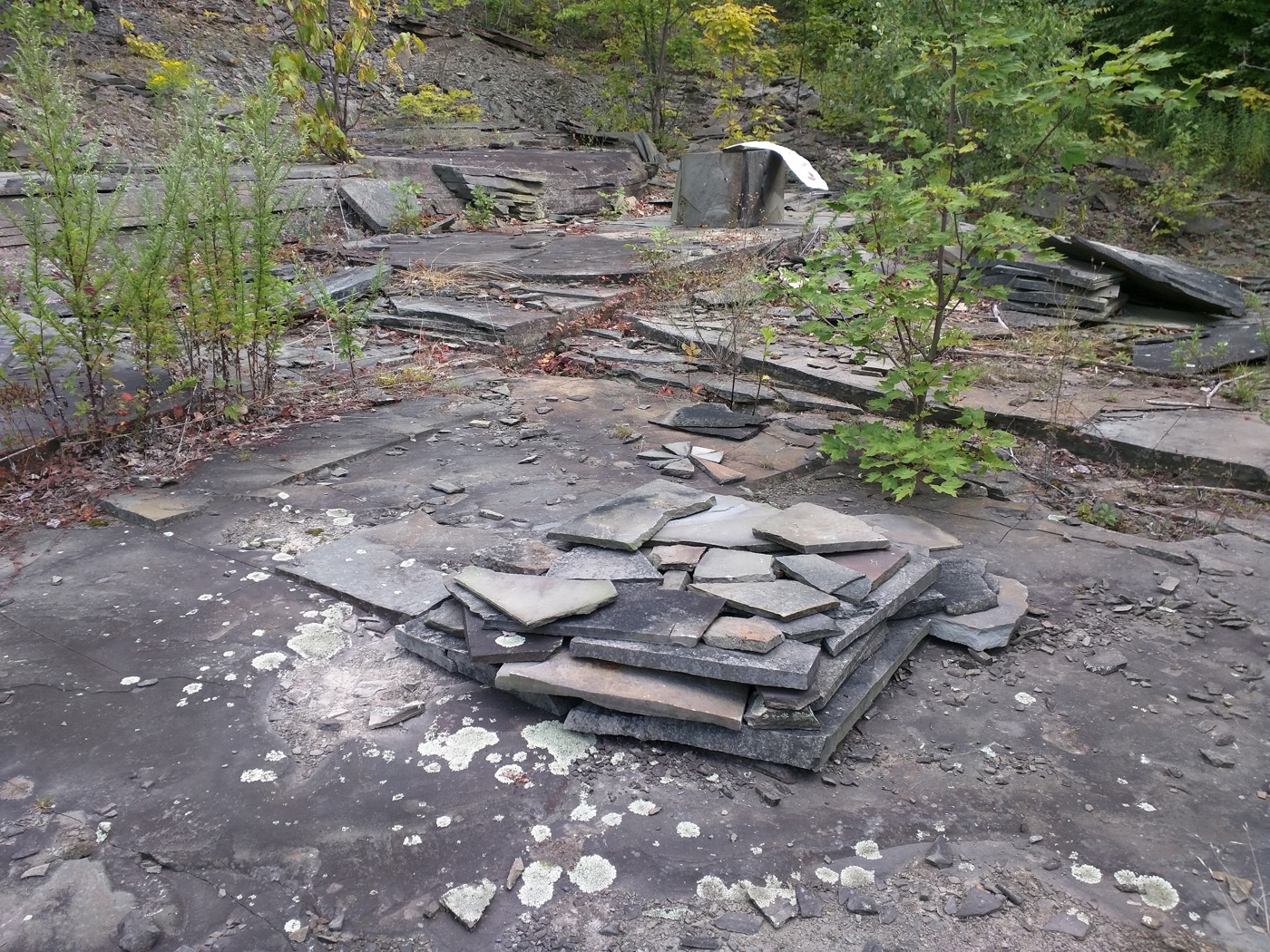
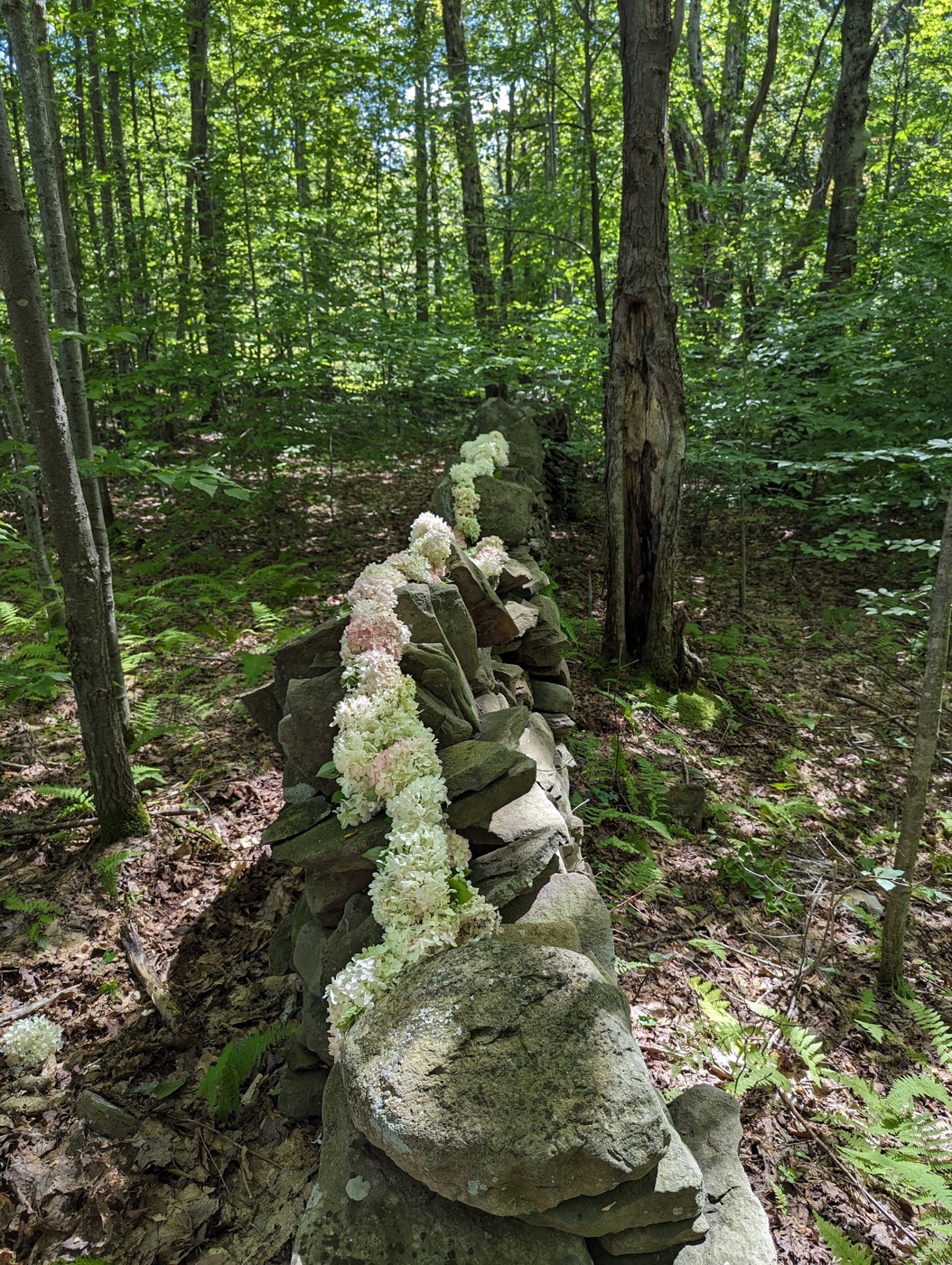
A nearly square mile of meadows, woodlands, water, trails, and built structures. Chthonic Games uses that landscape as the playing field: gathering places, swimming ponds, sunset spots, trails, tents, and campsites.
Map
Hover or tap a place to see where games, meals, and gathering beats are expected to land.
Schedule
Game Sites Tour, Orientation & Walkabout Game
Players ride in Gators to the game sites, then walk a mile downhill testing their powers of observation and knowledge of the surroundings.
Lunch & Sandwich Competition
A spectacular array of sandwich ingredients. Players are encouraged to bring one extra ingredient or condiment that might elevate their sandwich. Menu.
Volleyball 100
A game of cooperation with circles of players racing to keep a volleyball in the air for 100 taps.
Open Game Block
Build a bigger bonfire, finish a Music Game selection, add to Exquisite Corpse, recover missed Walkabout items, challenge someone to Cairn Game, or do nothing.
Music Game
Everyone listens to each piece of music, under two minutes in length, and an optional introductory statement or argument by its selector.
Mazyrinth Manhunt
A hide-and-seek game with teams alternately hiding in a labyrinth of paths or seeking to capture their prey with beams of flashlight.
Zipline
Competitors fall from a zipline several feet above the Lower Pond, endeavoring to make the smallest possible splash.
Watermelon Scrum
Swimming and watching players compete to control a watermelon plunged into the center pool of a large raft.
Flag/Riddle Game
First, a frenzied collection of pairs of small international flags, followed by a thoughtful puzzle-solving race.
Exquisite Corpse Final Contributions
Final contributions to Exquisite Corpse and appeals to the judges for extra consideration.
Game Directory
The current even dozen, with the descriptive voice kept intact and the scoring pulled out so the rules are easier to scan.
Players ride in Gators to game sites: Manhunt in Mazyrinth, Vortex! Pitch, Barnball and Music Game in Barn, Watermelon Scrum Raft, Lower Pond Zipline, Old Maze Flag/Riddle Game, Bonfire Site, Exquisite Corpse and Cairn Balancing Game Tables.
Tour ends at the beginning of Walkabout Game, a mile’s walk downhill testing players’ powers of observation and knowledge of their surroundings.
Later chance
Players can finish collecting missed Walkabout items during the 4:30p open game block.
A spectacular array of sandwich ingredients. Players are encouraged to bring one additional ingredient or condiment that might elevate their sandwich to a higher visual or culinary level.
How scoring works
Judging can consider visual and culinary elevation. Any final point value belongs on the physical scoreboard.
Teams compete to keep a volleyball rally going for 100 taps without hitting the ground. The rally is played without a net between teammates arranged in a circle.
Taps must be like those in a volleyball game, without any “carrying”. Unlike in volleyball, a player is allowed to double tap the ball, though the second hit is not counted towards the rally’s total.
Rallies must involve all players and no player may tap the ball more than three times in alternation with other teammates. In other words, the game must not devolve into an effort dominated by one or two people.
How scoring works
The winner is that team to accomplish this in the shortest period of time. Failing to reach that goal, the team with the highest total achieved within the game’s time limit is the winner.
Barnball, or Smashball, is a very intense game that can only be played in one place in the world. The action of barnball fully uses the immense three-dimensional volume of a 19th century, post-and-beam dairy barn.
It is a goal-scoring game like soccer or hockey, but the two competing teams stay on their half of the court, as in volleyball; with one critical exception.
The bridgeway separating the two former haylofts of the barn functions as a kind of volleyball or tennis net, except that balls can be launched over and under it. Four volleyballs are in play simultaneously.
How scoring works
A team scores one point every time a ball hits a section of the back wall at the opposite side of the barn. Balls that strike the opposing wall goal after sailing over the bridgeway earn two points. A barnball game ends when one team scores 25 points, usually less than ten minutes from the beginning of play.
Team size is flexible but five to eight players per side is best. One of barnball’s innovations is that one member of each team, their forward, is positioned in a box in the center of the opposing team’s court. She must not leave the forward’s box, but balls that are passed to the forward or that she intercepts make for easy, close range scores.
Competitors fall from a zipline several feet above the Lower Pond endeavoring to make the smallest possible splash.
How scoring works
Smallest possible splash is the competition.
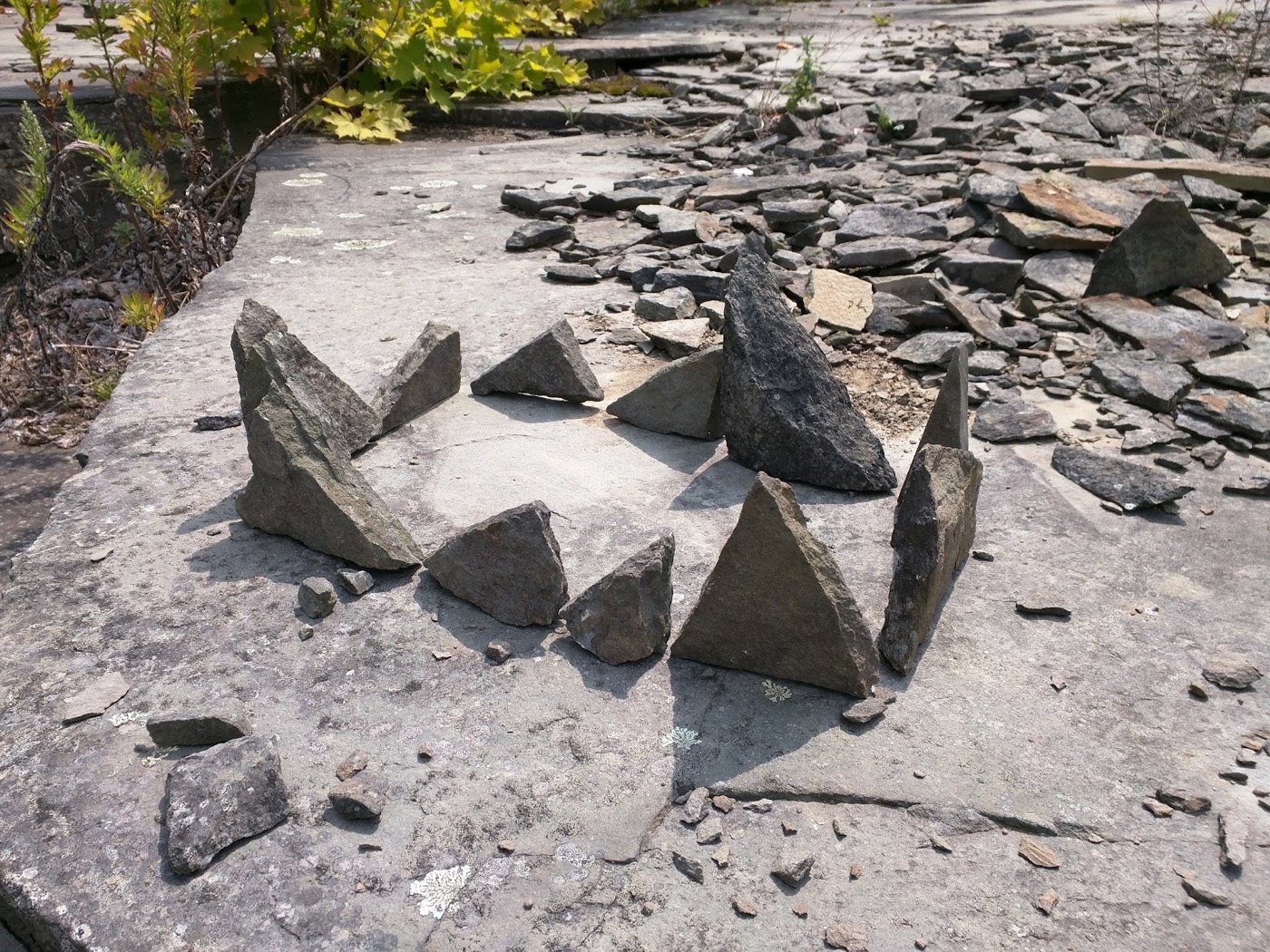
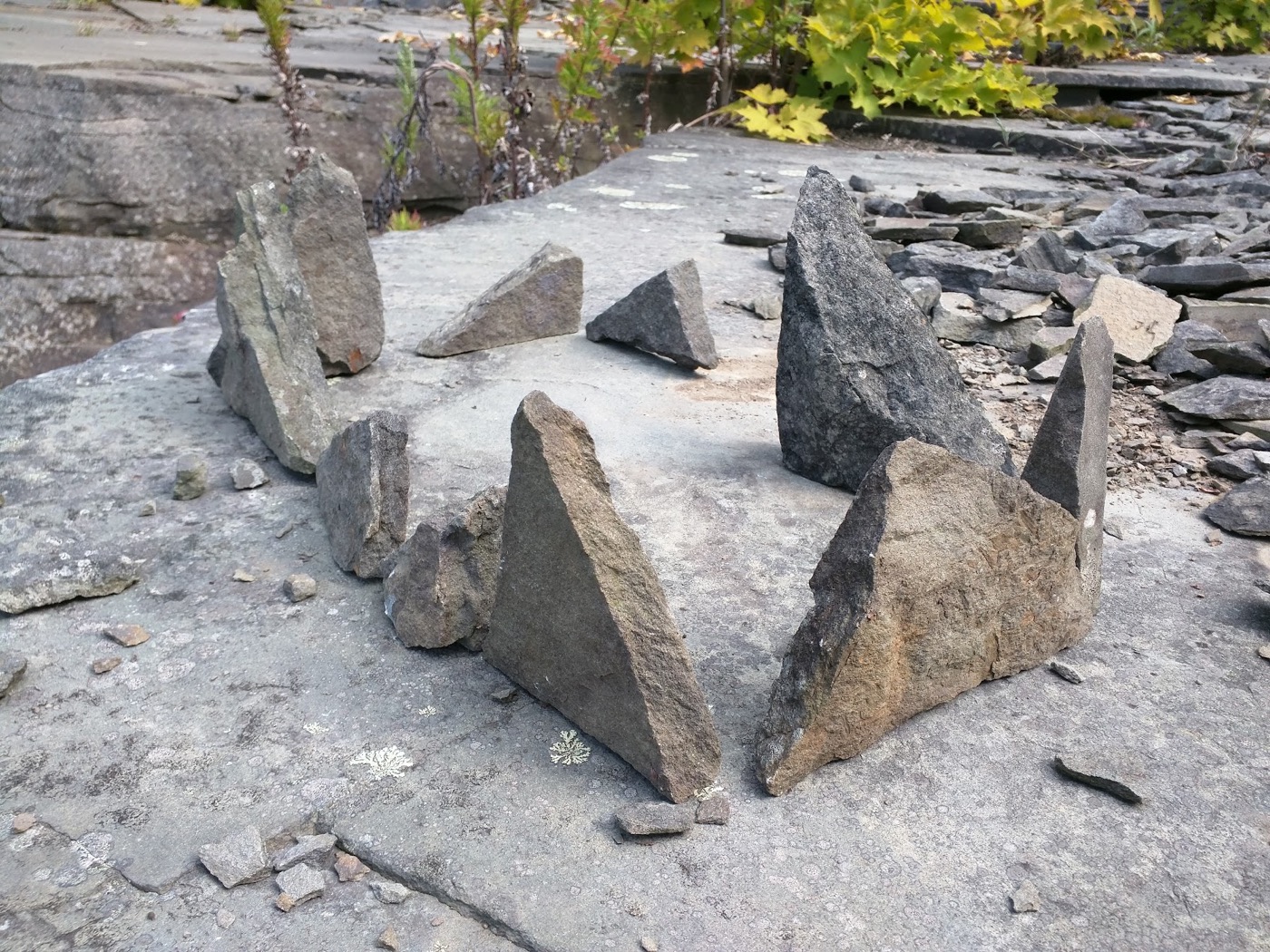
The Cairn Game is usually played by two people, though it can be played with three or more (in theory). Players alternate placing relatively small, smooth stones taken from Handsome Brook on top of previously placed stones.
A placed stone is not required to be on a higher level than all the other stones in that cairn and may be put on a “ledge” of a lower stone. The only requirement is that no part of any stone, after the first one, touches the table.
The challenger allows the challenged player to place the first stone, which may be any one of those among the supply of official game stones. Strategy often involves creating a situation where the next stone seems likely to bring the cairn down.
How scoring works
A player loses the game when that stack of stones collapses within ten seconds of their most recent move. Games may be played with strict alternation of stones or a version where each player may place up to four stones in a single move.
This is not actually that similar to the classic Surrealist exercise that gave us the name, but who can resist an opportunity to borrow it? And, actually, it is now different from the classic Chthonics version of Exquisite Corpse that we had played for quite a few years.
The game starts, as before, with a theme, but now also with a central drawing to build on. Additional contributions are added to the periphery of the accumulated drawings, possibly to the limit of the board’s space.
Standards
No drawing may be rectangular and it must fit onto a specific edge of the existing collage at that point. Drawings must not be mostly empty space. Any offering below the standards set by the game judge can be rejected. Offerings without a reasonable relation to the given theme can be rejected.
Drawings must be on the file cards supplied and cut down from that original size. The author of each entry should be identified for the record and players may offer more than one contribution to the E.C.
This can be an emotional game in which people are forced to do something they are often reluctant to do: publicly declare that they really believe something is good, and then have that opinion judged by others.
Each participant chooses an entire piece of recorded music that fits the requirements established for that particular game and introduces it before it is played for the group.
Requirements for a particular game might include a time limitation or that the piece include whistling or a crescendo. The introduction preceding each piece can include an impassioned argument/plea for that selection’s votes, as well as directing listeners’ attention to specific points in the music. Listen to the 2025 Music Game playlist.
Voting
Selections are under two minutes. Ironic selections are strongly discouraged and may not receive votes if judges decide that they are. Each listener may vote for up to three different pieces.
Manhunt is hide-and-seek game played at night with hunters using flashlights to find and capture their prey. It is played in part of maze in the form of a labyrinth. Paths in the maze are defined by walls of goldenrod up to five feet high.
No one may at any point leave the mowed areas or roam outside the designated boundaries. Hiders must keep the sole of one foot touching the ground at all times. In other words, no lying flat is allowed. Hiders may change position freely as the game proceeds.
Capture
A hider is caught when a hunter clearly sees them in the beam of a flashlight and calls them out. At that point the hider stops the time on their timer and returns to the starting point. Ideally several ten- or twelve-minute-long rounds are played so that each player has their turn as a hunter.
This game really connects to the primal experiences of being hunted and the exhilaration of escaping capture.
Vortex! is a team game that is designed as an improved alternative to “Capture the Flag”. It is played on a field dense with trees, shrubs and thickets, and flanked on all sides by woods.
As in Capture the Flag, the field is divided by a painted line on the ground into two territories, each of which is a defensive zone for one team and an offensive zone for its opponent. Each team defends a 12 sq. ft. goal.
Each team starts the game with an equal number of nerf footballs, which are like large, plastic darts, and the object of the game is to get these soft missiles to touch ground inside the goal area.
Tags and possession
Attacking players who are tagged by the defense either by hand or with a thrown dart must return to their zone and wait five minutes before re-entering the game in any capacity. Offensive players may pass the ball to a teammate, who may pick up a dropped pass but otherwise, only the defense can pick up a ball on the ground.
Since the field is a warren of openings, screens and obstacles, it is possible to pull the defenders’ attention away from one approach to the goal while an attack is made from another direction. The field has no boundaries and players are allowed to range into the woods and behind the opposition’s goal. Teams switch to defend the other goal and balls are re-distributed equally to both teams at halftime.
Swimming and watching players compete to control a watermelon plunged into the center pool of a large raft.
There are two parts to this game, the frenetic collection of pairs of international flags followed by the solving of three riddles related to the identity of 14 unpaired flags.
Flags are placed throughout the maze in concrete triangles and squares. Each flag may be one of an identical pair, one of a kind, or one of a set of three identical flags.
Flag collection scoring
For the flag collection scoring, each pair of flags is worth one point, each triple set of flags is worth one point as well. Each declared singleton flag is also worth one point.
Players are allowed to carry only one flag at a time or a pair of identical flags. They may not carry three flags even if they are a triple set. In order to carry a different flag from the one in hand, a player must properly place the flag being discarded in one of the concrete bases.
Any pair or declared singleton or third flag of a set being brought to a team’s collection area must be handed to the team collector, not thrown wildly on the ground.
Any declared pair that is actually part of a triple set or declared singleton that is actually one of a pair can be claimed by a player from another team who has the matching flag or pair of flags in hand. Teams can correct their mistakes in the same way. Mistakenly matched pairs or triples can also be claimed or corrected in the same way.
Flags or pairs of flags in hand can be claimed by a player from another team if he or she has a matching flag in hand and says “That’s my flag.” Players carrying flags or pairs of flags must keep them in clear view.
Riddles
The riddle is related exclusively to the 14 singleton flags or the nations they represent. Each team’s collected singletons must be open to examination by players from other teams. The singleton flags or the nations they represent have a common characteristic that is relatively specific, not “all of these five flags represent undemocratic countries”.
Each of the three riddles is shared by five flags/nations. Printouts of the 14 flags will be distributed to each team after they are identified. One of the singleton flags fits in all three answers, and another flag fits into none. Each team gets three guesses to answers for each riddle.
One riddle pertains purely to the flag as a design. Another riddle pertains to the geography of represented nations. A third riddle relates to the history or demographics of the nations represented by five flags.
Photo Awards
After the event, competitors can build a shared gallery, enter their favorites in Food, Action, Nature, and People, and vote for one winner in every category. Open the full album.
Open Photo AwardsPhoto Award Examples
Example photos for each voting category. These are references for the kind of submissions people can make, not winners.
Meals & Menu
The published meal plan now runs from Saturday breakfast through Sunday lunch, with Friday arrival food handled separately by the hosts.
Included
Saturday breakfast, Saturday lunch, Saturday dinner, Sunday breakfast, and Sunday lunch are now listed in the game schedule.
Timing
Saturday breakfast runs 8:30-10a, lunch and the Sandwich Competition start at 1p, dinner is at 7p, and Sunday lunch is at 3p.
Food Notes
Delicious home-cooked food is part of the ticket. Dietary details can be handled ahead of the weekend.
Rides
Plan to arrive Friday evening and leave Sunday afternoon. Exact location is shared after RSVP.
Arrival
Friday arrival starts at 8p in Franklin, NY. Build in country-road timing.
Departure
Sunday departure is after lunch, with the Flag/Riddle Game and final Exquisite Corpse contributions before people scatter.
Carpools
Coordinate rides in the group chat once tickets are set. Drivers should know whether passengers are camping or staying inside.